
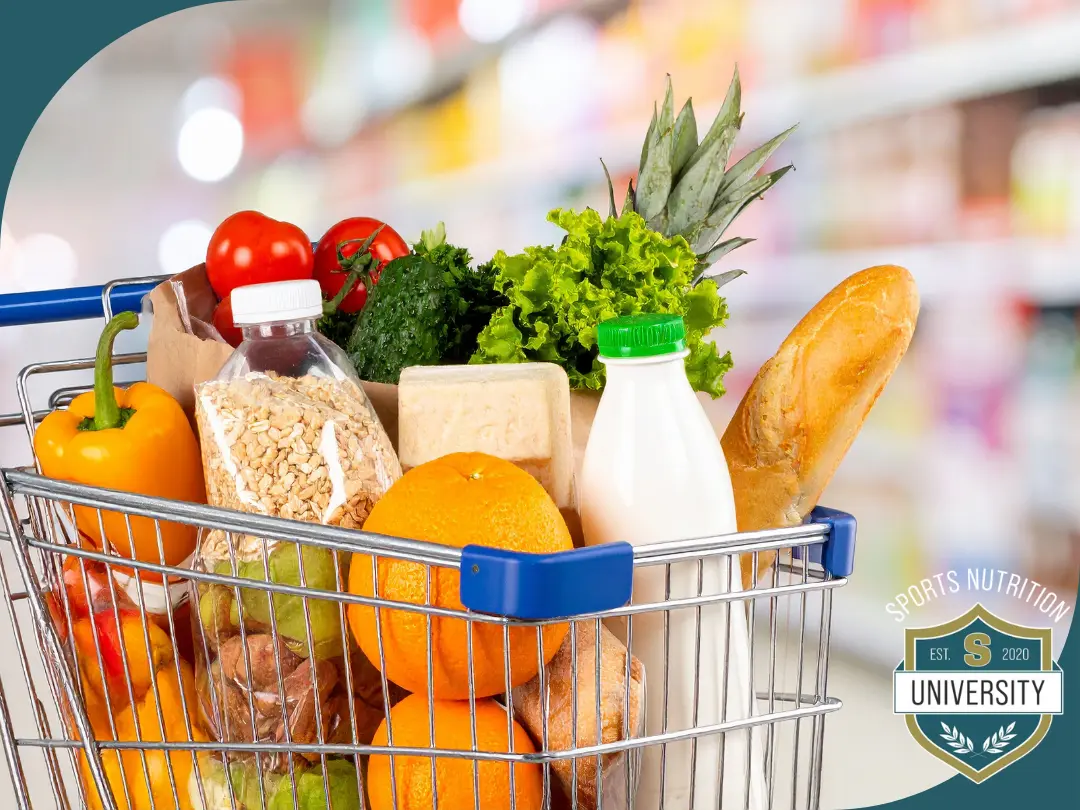
Crafting a well-planned grocery shopping list is key to maintaining a healthy, balanced diet, especially for athletes and active individuals. Personally, there is something exciting about having a pantry and fridge stocked with nourishing and nutrient-dense foods I really love.
There is also something about having a pantry and fridge stocked with foods I really don’t love, and that have no purpose or plan associated with them. This guide will walk you through creating an efficient and budget-friendly grocery shopping list that’s tailored for YOU and your goals, including sports nutrition.
Why a Grocery Shopping List Matters
I’m a planner, but I also appreciate spontaneity. I love getting creative in the kitchen and not always having a recipe next to me while I make a meal. About 90% of the time, I’d say I’m not using a recipe … and when I’m not using a recipe, I’m using what I know from using recipes in the past and trying different flavor combinations. But before I can do any cooking, I need ingredients, which means I need to go grocery shopping. I always plan before I shop, though.
A thoughtfully curated grocery list saves me time, reduces food waste, and ensures I have the right ingredients for nutritious meals. For athletes, meal planning with performance-focused foods can optimize energy levels, muscle recovery, and overall health. Now, let’s talk about how to build a grocery shopping list that works for you.
5 Steps to Creating the Best Grocery Shopping List

Step 1: Set a Realistic Grocery Budget
Before you start listing items, establish a grocery budget to guide your spending. A budget acts like a roadmap, preventing overspending and keeping your finances in check.
- Budget Tip: Allocate a specific amount for groceries each month. For example, I typically budget $250 per month (roughly $50 per week). This includes everything I buy at the grocery store – food, supplements, and household essentials like detergent or toiletries.
- Track Everything: Include all grocery store purchases in your budget, from protein powders to personal care items, for simpler expense tracking.
- Flexibility: Allow some wiggle room for occasional splurges or unexpected needs, especially for nutrient-rich foods like lean meats or fresh produce.
Once you’ve got a budget in mind, it’s time to think about that grocery shopping list.
Step 2: Plan Your Meals with Purpose
Every item on your grocery list should have a purpose, whether it’s for a specific recipe or a staple in your sports nutrition plan. Avoid impulse buys that lead to food waste. When making my list, I don’t put items on there unless I have a plan and purpose for them. Otherwise, they can go to waste and I end up having to throw them away (sad) which is like throwing money in the garbage (also sad).
- Choose Nutrient-Dense Foods: Prioritize foods that support athletic performance, such as lean proteins (chicken, fish, eggs), complex carbohydrates (quinoa, sweet potatoes), and healthy fats (avocado, nuts).
- Meal Prep Ideas: Plan meals around your training schedule. For example, include high-protein snacks like Greek yogurt or ingredients for post-workout smoothies.
- Inspiration: The most fun part of making a grocery list is adding ingredients to fun recipes I’m excited to try. As I write this post, I am in the process of planning my next grocery shopping list to include this Cioppino recipe by Giada De Laurentiis with Food Network.
Step 3: Build Your Grocery Shopping List Digitally
I keep a note on my phone with a bulleted grocery shopping list (the type of bullet point that lets you check off each item). Then, throughout the week, I produce a list of items I need from the store.
Sometimes, as I’m making my grocery list during the week, I tend to jot things down that I may not necessarily need. So, before heading to the store, I like to do a review of my list. I remove any items I don’t need and add any others that I do need.
Step 4: Shop Consistently
Consistency is key to maintaining a well-stocked kitchen. Schedule your grocery shopping trips to fit your lifestyle.
- Weekly or Biweekly: Aim to shop once a week or every other week, especially if you’re a busy college student or athlete juggling training and studies. Personally, I tend to shop once per week.
- Set a Routine: Choose a specific day and time for shopping to make it a habit, reducing decision fatigue and ensuring you’re always prepared.
Step 5: Balance Structure with Spontaneity
Remember how I like spontaneity? I try really hard to stick to my list, but sometimes I get things that aren’t on there. While sticking to your list is ideal, don’t stress if you impulse-buy a healthy treat like dark chocolate or a new fruit. Simply reflect on your spending and aim to improve next time.
In summary, here is a great way to create your grocery shopping list:
- HAVE A BUDGET! Even if you’re in college with little income. That is even MORE reason to have a budget. You wouldn’t hop in a car blindfolded would you? You shouldn’t spend money blindfolded either.
- Get things you actually like, not things you don’t. It mind sound obvious, but how many times do you buy foods you “should” eat over foods you “want” to eat?
- Put items on your list for which you have a plan and purpose! Otherwise, it could go to waste.
- Try using the notes section in your phone to keep a growing grocery list throughout the week as you think of items you need or want. I really like using the bullets I can tap to check off items as I go through the list.
- Shop consistently either every week or every other week. Take the decision-making part out, and commit to grocery shopping a certain day and time every week. This will make the process more approachable, and help you plan your meals.
- Find a new recipe to try! Add those ingredients to your list and make it fun! Recently, new recipes I’ve made are baked buffalo chicken wings, pork chile verde, and jam thumbprint cookies.
- Try to stick to the list, and don’t beat yourself up if you impulse buy a few things. You’re human! Try and do better next month.
Creating a grocery shopping list tailored for YOU is about planning, purpose, and balance. By setting a budget, choosing nutrient-dense foods, and shopping consistently, you’ll fuel your body for peak performance while keeping your kitchen stocked with healthy, delicious ingredients. Start building your list today and take control of your nutrition!