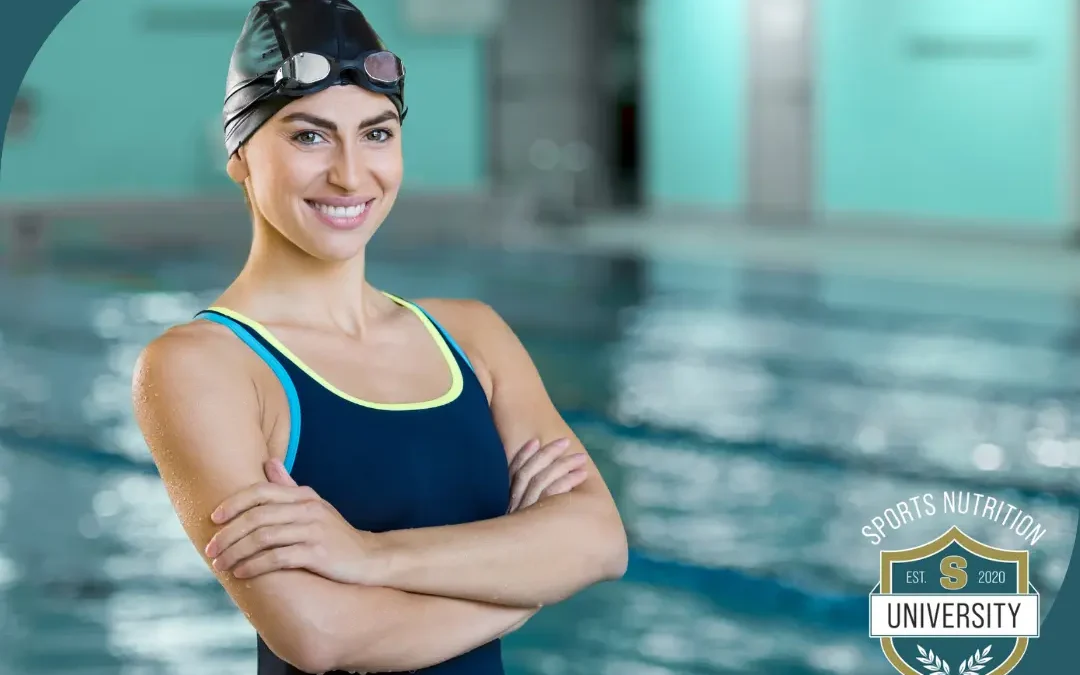

At Sports Nutrition University, we understand that when young athletes talk about “losing weight,” they’re often expressing deeper goals. They want to feel lighter and more agile in their sport, improve their body composition, be more confident in their uniforms, or perform at their absolute best. But focusing solely on weight loss can lead teen athletes down an unhealthy path that undermines their energy, strength, and long-term well-being. Instead, we guide athletes to build sustainable habits that support healthy weight maintenance, peak performance, and lifelong health—without crash diets or extreme measures.
Here’s how we help young athletes achieve their goals the right way.
Why Weight Loss Isn’t the Answer for Young Athletes
For teen athletes, the idea of “losing weight” often comes with misconceptions. Rapid weight loss or restrictive eating can harm their performance and health, especially during puberty—a critical time when their bodies are growing taller, building muscle, and regulating hormones. Cutting calories too drastically can lead to low energy, reduced strength, and even stalled growth, all of which can derail an athlete’s progress.
At Sports Nutrition University, we shift the focus from the scale to sustainable habits that optimize body composition and fuel performance. Our approach ensures athletes have the energy and nutrients they need to excel in their sport while supporting their developing bodies.
6 Core Principles for Young Athletes: Choosing Healthy Habits vs. Weight Loss
We teach young athletes practical, science-based strategies to maintain a healthy weight, enhance performance, and feel confident. Here’s what we emphasize:
1. Fueling Consistently
Skipping meals or “eating light” all day might seem like a shortcut to weight loss, but it often backfires. Inconsistent eating can leave athletes low on energy, impairing their focus, strength, and recovery. We teach athletes to fuel their bodies regularly with balanced meals and snacks timed around their training schedule. Consistent fueling keeps energy levels stable, supports muscle growth, and prevents overeating later due to hunger.
Related article: Fueling Young Athletes for Success: The Power of Planned Nutrition
2. Prioritizing Protein
Protein is the building block of muscle, which is essential for power, speed, and overall athletic performance. We guide athletes to include high-quality protein sources—like lean meats, eggs, dairy, beans, or plant-based options—in every meal and snack. This not only supports muscle repair and growth but also helps athletes feel satisfied, reducing the temptation to rely on empty-calorie snacks.
Related article: Protein for Teen Athletes: A Guide to Optimal Nutrition
3. Building Performance Plates
A well-balanced plate is key to fueling an athlete’s body for success. We teach athletes to create “performance plates” that include:
- Carbohydrates: For energy to power through practices and games (e.g., whole grains, fruits, or starchy vegetables).
- Protein: For muscle repair and strength (e.g., chicken, fish, tofu, or Greek yogurt).
- Colorful vegetables and fruits: For essential vitamins, minerals, and antioxidants to support recovery and overall health. This balanced approach ensures athletes get the nutrients they need without feeling deprived.
4. Avoiding Sneaky Low Energy Availability
Many young athletes unintentionally underfuel, meaning they don’t consume enough calories to match the energy they burn during training and daily activities. This “low energy availability” can lead to fatigue, poor performance, and even health issues like weakened bones or hormonal imbalances. We help athletes identify signs of underfueling—such as constant tiredness, trouble recovering, or frequent injuries—and adjust their eating habits to meet their energy needs.
Related article: Athletes Who Under-Eat: A Widespread Problem with a Simple Fix
5. Creating Structure Around Eating
Knowing when and how to eat around training can make a big difference. We teach athletes to plan their meals and snacks strategically:
- Before training: A balanced snack with carbs and protein for energy and focus.
- During training: Hydration and, for longer sessions, quick carbs like fruit or healthy sports drinks.
- After training: A recovery meal or snack with protein and carbs to rebuild muscles and replenish energy stores. This structure helps athletes feel prepared and perform at their best.
6. Balancing the Mental Game
Nutrition shouldn’t be a source of stress or guilt. We work with athletes to develop a healthy relationship with food, where eating is seen as fuel for their goals, not a barrier to them. By focusing on nourishment and performance rather than restrictive dieting, we help athletes build confidence in their bodies and their abilities.
The Result: Increased Confidence and Performance for Athletes Without Focusing on Weight Loss or Extreme Diets
When young athletes adopt these habits, their weight naturally settles into a range that supports both their performance and their confidence. They feel stronger, more energized, and ready to take on their sport without the risks of crash diets or guesswork. At Sports Nutrition University, we provide the tools and guidance to make these habits second nature, setting athletes up for success both on and off the field.
Why Choose Sports Nutrition University?
At Sports Nutrition University, we’re dedicated to empowering young athletes with evidence-based nutrition strategies tailored to their unique needs. We understand the demands of competitive sports and the challenges of adolescence, and we’re here to support athletes every step of the way. Whether it’s creating a personalized fueling plan, addressing low energy availability, or building confidence through nutrition, we’re committed to helping athletes thrive.
Ready to help your young athlete perform at their best while staying healthy and confident? Reach out to us today to consult with a teen sports nutrition expert, learn more about our programs, and discover how we can support your athlete’s journey to success.