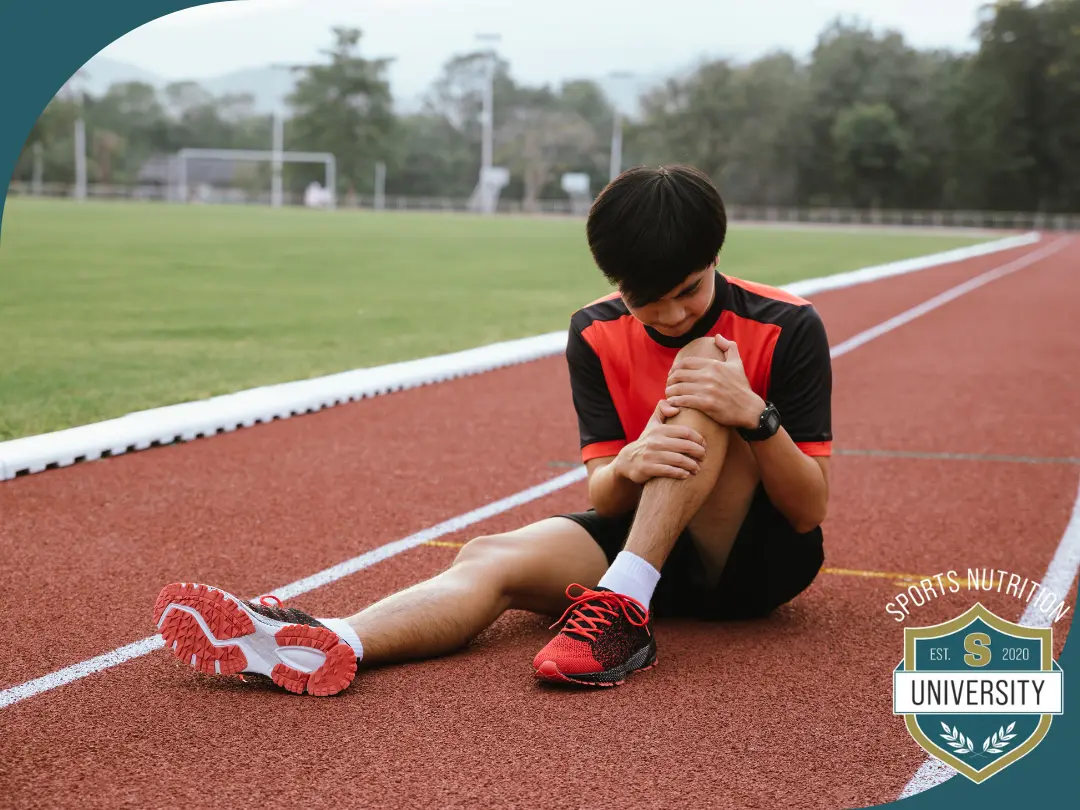
Imagine this: Your young athlete is wrapping up a grueling season, pushing through one final game after months of practices, travel, and balancing schoolwork. You’ve been their biggest supporter—driving them everywhere, cheering from the sidelines, and keeping them fueled. But in a split second, everything changes. They tear their ACL, leading to surgery, downtime, and a long road back to the field.
As a parent, this can feel overwhelming. Watching your child in pain, rearranging life around doctor’s appointments and rehab, and navigating a new routine is no small feat. The good news? You’re not alone, and nutrition can be a powerful ally in supporting their recovery from an ACL injury, helping them heal faster and return stronger. In this blog, we’ll dive into why good nutrition matters for ACL injury recovery and share practical tips to make it easier.
What is an ACL?
The Anterior Cruciate Ligament (ACL) is a key player in knee stability. It connects the thigh bone (femur) to the shin bone (tibia), helping control movements like pivoting, jumping, and sudden stops—common in sports like soccer, basketball, or skiing. When it’s torn, often from a non-contact twist or impact, it destabilizes the knee. Recovery typically involves surgery (like ACL reconstruction) followed by months of physical therapy. It’s a tough injury, but with the right support, athletes can bounce back fully.
Why Nutrition Matters in Recovering from an ACL Injury
Nutrition isn’t a miracle cure for an ACL tear, but it’s close to a secret weapon. Proper fueling can accelerate healing, reduce complications, and maintain overall health during downtime. On the flip side, poor eating habits—like skimping on nutrients or over-restricting calories—can slow progress, weaken muscles, and even prolong inflammation.
Think of the body as a construction site post-injury: It needs quality materials (nutrients) and energy (calories) to rebuild. Without them, the “workers” (cells and tissues) can’t do their job efficiently. Studies show that optimized nutrition can cut recovery time, preserve muscle mass, and boost immune function, getting athletes back in action sooner.
Partnering with a Sports Dietitian for ACL Injury Recovery
What’s one of the smartest moves during recovery from an ACL injury? Team up with a sports dietitian here at Sports Nutrition University. We can assess your athlete’s needs, spot any deficiencies, and create a personalized plan covering energy intake, hydration, sleep, and more. Plus, we’ll monitor progress and adjust as healing evolves, ensuring nothing falls through the cracks. If you’re unsure where to start, reaching out to a professional can take the guesswork out of nutrition and give you peace of mind.
Managing Appetite and Adjusting Portions During Recovery
A common question we often hear from parents: “My athlete isn’t training—should they eat less?” It’s tempting to slash portions, but hold off. While activity levels drop during recovery from an ACL injury, the body still burns energy for healing. Think repairing tissues, fighting inflammation, and maintaining basic functions. Drastic calorie cuts can hinder recovery and lead to muscle loss.
Instead, shift focus to nutrient-dense foods. Keep portions balanced but prioritize quality: More veggies, lean proteins, and whole grains over empty calories. This supports healing without unnecessary weight gain. Track how your athlete feels—hunger cues might change, so adjust mindfully.
Key Goals During ACL Injury Recovery
Recovery isn’t just about waiting for the knee to heal; it’s about smart strategies to minimize setbacks. Since physical activity is limited (hello, rest and rehab), some muscle atrophy and fitness dips are normal. But nutrition helps mitigate that.
Here are the main objectives during recovery:
- Heal the ligament: Provide building blocks for tissue repair.
- Preserve muscle mass: Counteract inactivity-related losses.
- Maintain energy balance: Match calories in with calories out to avoid extremes.
- Prevent excess body fat: Focus on wholesome foods to stay lean without deprivation.
Achieving these keeps your athlete in prime condition for when they ramp up training again.
Essential Nutrients Athletes Need for Healing
To hit those goals, emphasize these nutrients through food (supplements aren’t a first-line fix—more on that later).
Here’s a breakdown:
- Protein: Crucial for muscle repair and preservation. Aim for sources like chicken, eggs, fish, dairy, beans, and nuts.
- Carbohydrates: Fuel energy needs and aid recovery. Go for complex options like quinoa, sweet potatoes, oats, and fruits.
- Fats: Help control inflammation and support cell repair. Include healthy fats from avocados, olive oil, nuts, and fatty fish like salmon.
- Vitamins C, A, and D: Boost collagen synthesis (for ligaments) and immune health. Find them in citrus fruits, carrots, leafy greens, and sunlight/dairy.
- Calcium and Magnesium: Support bone remodeling and muscle function. Dairy, greens, nuts, and seeds are great sources.
- Zinc and Copper: Aid tissue repair and immunity. Think oysters, beef, nuts, and whole grains.
- Collagen: Specifically helps ligament and tendon healing. Bone broth, gelatin, or collagen-rich foods like chicken skin can provide it.
The key? A varied, balanced diet incorporating these nutrients naturally. No need for pills unless a dietitian recommends them based on tests.
Related article: Protein for Teen Athletes: A Guide to Optimal Nutrition
Anti-Inflammatory Foods and the Power of Hydration for Recovery from an ACL Injury
Inflammation is the body’s natural response to injury, but too much can delay healing and increase pain. Nutrition steps in here too.
Incorporate anti-inflammatory powerhouses like:
- Berries (blueberries, strawberries) for antioxidants.
- Leafy greens like spinach and kale for vitamins.
- Turmeric (add to curries or golden milk) for its curcumin compound.
- Fatty fish like salmon or mackerel for omega-3s.
Pair this with stellar hydration—aim for at least 8-10 glasses of water daily, more if your athlete is active in rehab. Dehydration thickens blood, slows nutrient delivery, and hampers recovery. Infuse water with lemon or cucumber for flavor if plain gets boring.
Practical Meal and Snack Ideas During Recovery
Putting it all together doesn’t have to be complicated. Here are simple, nutrient-packed ideas tailored for ACL injury recovery:
- Breakfast: Scrambled eggs with spinach, whole-grain toast, and orange slices (protein, vitamins, carbs).
- Snack: Greek yogurt topped with berries and pumpkin seeds (protein, antioxidants, healthy fats).
- Lunch: Grilled chicken over quinoa with roasted sweet potatoes and avocado (balanced macros, anti-inflammatory).
- Dinner: Baked salmon with sautéed greens and brown rice (omega-3s, fiber, nutrients).
- Smoothie: Blend bone broth, protein powder, banana, almond butter, and milk (collagen boost, easy to sip post-surgery).
These keep things tasty and satisfying while hitting recovery nutrients. Experiment based on preferences, but keep portions mindful.
Supplements for Athletes Recovering from an ACL Injury
While food-first is ideal, supplements like collagen peptides, vitamin D, or omega-3s might fill gaps, especially if diet tests show deficiencies. However, they’re not one-size-fits-all and can interact with medications or cause issues if overdone. Always consult a sports dietitian first so any necessary supplements can be safely integrated into your athlete’s overall nutrition and recovery plan.
Looking Ahead: Nutrition for Returning to Sport
As physical therapy advances and clearance for returning to normal athletic activity nears, nutrition shifts to rebuilding mode. Focus on ramping up protein for muscle gains, carbs for energy during sessions, and overall fueling for endurance. This phase is about regaining strength and preventing re-injury—good habits now set the stage for peak performance.
Stay proactive: Track progress, adjust as activity increases, and celebrate milestones. Your athlete will emerge not just recovered, but resilient.
An ACL injury is a bump in the road, but with solid nutrition, it’s one your athlete can navigate successfully. By prioritizing nutrient-rich foods, staying hydrated, and seeking expert advice, you’ll support faster healing and a stronger comeback. If you’re ready to optimize your athlete’s recovery, consider scheduling a consultation with a sports dietitian to tailor a plan to get your star back on the field. Click here to book a session today—your athlete’s future self will thank you!